
The Evidence room collects specific materials, traces, records and disputed items mentioned across the archive’s case files and articles. These are the elements that witnesses, researchers, journalists or investigators have pointed to as possible support for a reported encounter — from physical objects and drawings to interview footage, official documents, photographs, radar data, hypnosis records and unusual marks or damage.
This section does not present these materials as proof of non-human intelligence. Instead, each item is treated as an evidence exhibit: something connected to a case, worth documenting, but still open to interpretation. Some exhibits may support that an event was reported. Others may preserve what witnesses remembered, saw or claimed. Some may be physical objects with uncertain meaning, while others may be weak, disputed or symbolic.
The purpose of the Evidence room is to separate the material from the mystery. For every item, the archive asks: What is it? Which case is it connected to? Who reported it? What can it reasonably support? And what does it still fail to prove?
Evidence does not always lead to certainty. But it helps us understand why certain stories survived, why some cases became famous, and why the question remains open for so many readers.
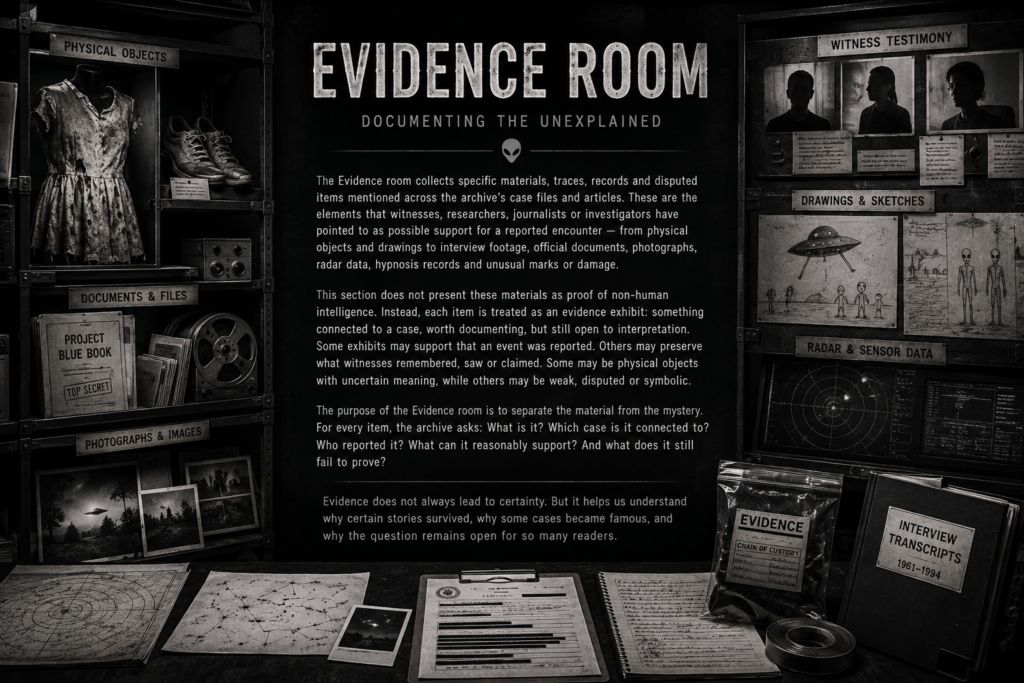
Selected evidence exhibits
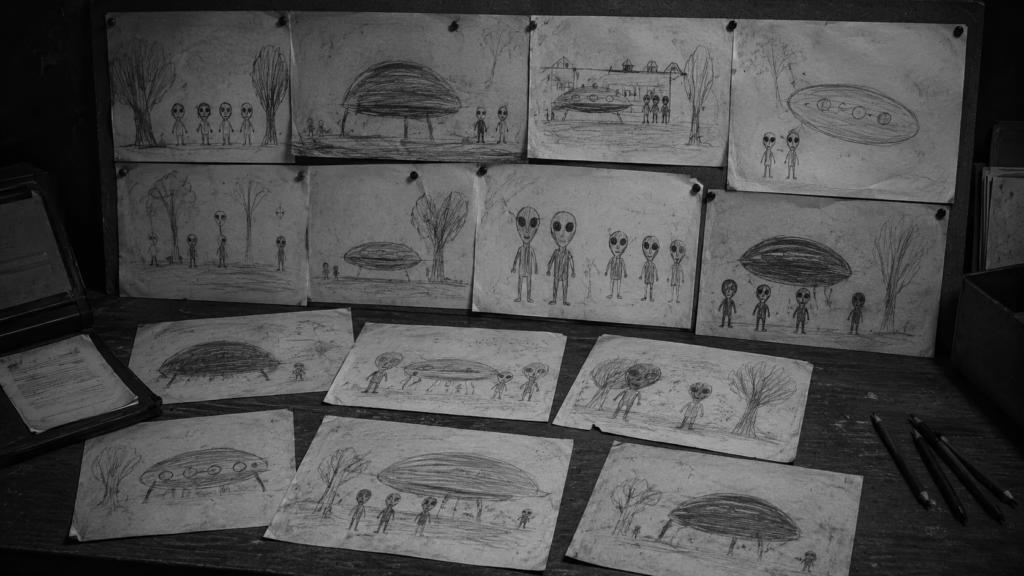
The children’s drawings are among the most important materials connected to the case. They do not prove what was seen, but they preserve how young witnesses represented the event soon after it was reported. Similarities between drawings are significant, but must be weighed against possible discussion between children and later investigator influence.
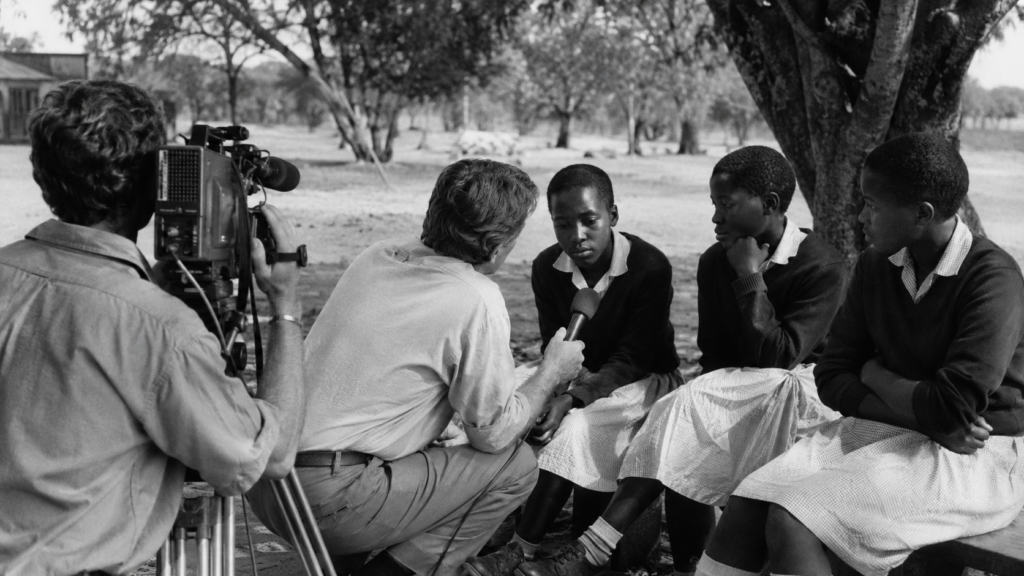
Early interviews are valuable because they preserve testimony before decades of retelling could fully reshape the narrative. They are not physical proof, but they are important for assessing consistency, emotion and the development of the story.
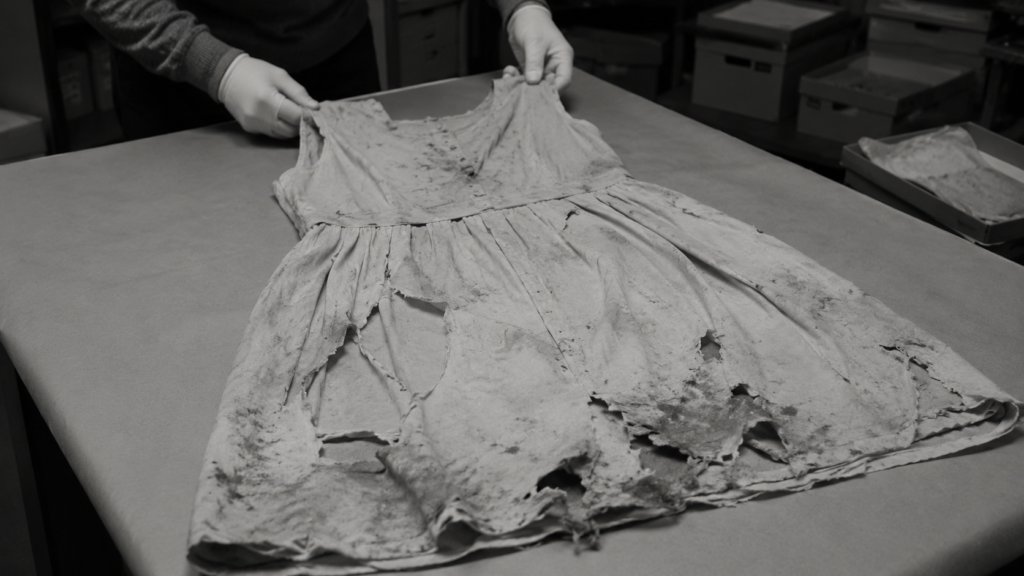
The University of New Hampshire collection includes the dress Betty reportedly wore during the night of the alleged abduction. The dress is often cited in UFO literature because it was described as torn and stained after the incident. This does not prove an abduction occurred, but it is one of the few preserved physical objects directly connected to the case.
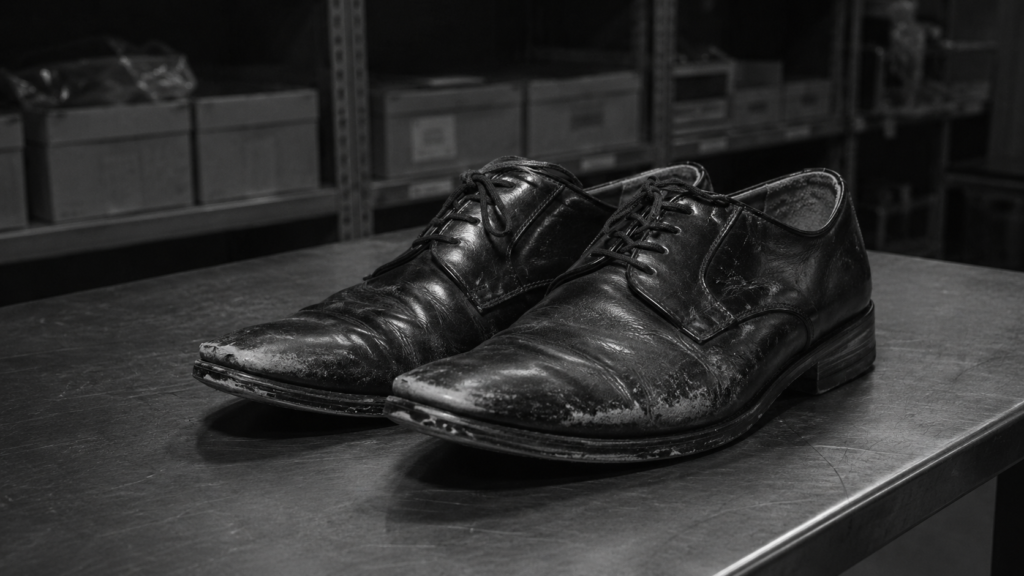
Barney Hill’s shoes were reportedly scraped or badly scuffed after the night of the encounter. This detail is often treated as part of the case’s physical-trace layer, but it should be described as a reported condition rather than conclusive evidence.
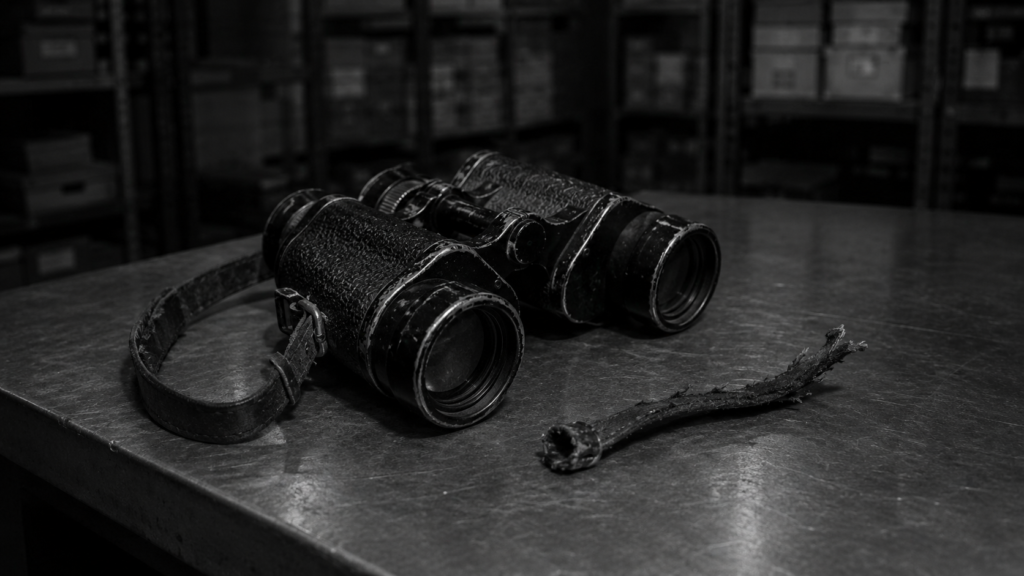
The broken binocular strap is one of several small physical details associated with the Hill case. Like the dress and shoes, it does not establish what happened, but it helps explain why the case became more than a simple sighting report.